Miasms
The Homeopathic Miasms include Psora, Sycosis, Syphilis, Tuberculosis, Aids and many more. The literature is very extensive and ranges from small pamphlets to large text books depending upon your requirements. Published book reviews are reproduced on the Tab (if available) when you view the book description, to help you with your choice.
-
 In Stock
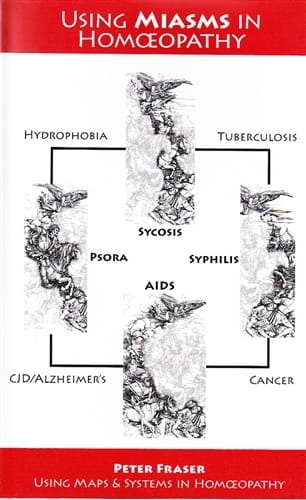
Using Miasms in Homoeopathy
In Stock
Using Miasms in Homoeopathy
-
 In Stock
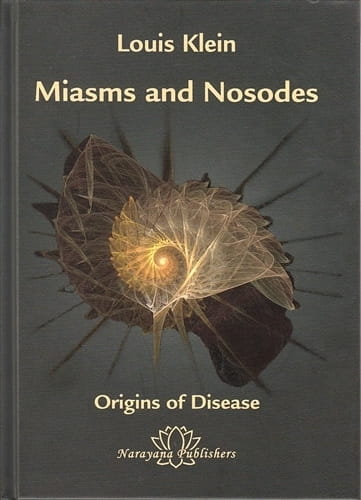
Miasms and Nosodes (Volume 1)
In Stock
Miasms and Nosodes (Volume 1)
-
 In Stock
Miasms and Nosodes (Volume 2)
In Stock
Miasms and Nosodes (Volume 2)
-
 In Stock
Miasms as Practical Tools
In Stock
Miasms as Practical Tools
-
 Out Of Stock
Miasms of the New Millennium
Out Of Stock
Miasms of the New Millennium
-
 In Stock
Signatures, Miasms, Aids
In Stock
Signatures, Miasms, Aids
-
 In Stock
The Foundation of the Chronic Miasms in the Practice of Homeopathy
In Stock
The Foundation of the Chronic Miasms in the Practice of Homeopathy
-
 In Stock
The Homeopathic Miasms: A Modern View
In Stock
The Homeopathic Miasms: A Modern View
-
 In Stock
Nosodes and Imponderables Come Alive!
In Stock
Nosodes and Imponderables Come Alive!
-
 In Stock
The Chronic Diseases: Their Peculiar Nature and Their Homeopathic Cure (2 Volumes)
In Stock
The Chronic Diseases: Their Peculiar Nature and Their Homeopathic Cure (2 Volumes)
-
 In Stock
Soul and Survival: The Common Human Experience
In Stock
Soul and Survival: The Common Human Experience
-
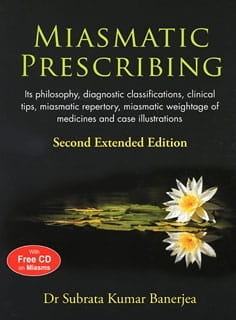 In Stock
Miasmatic Prescribing (Paperback Edition)
In Stock
Miasmatic Prescribing (Paperback Edition)
Frequently Asked Questions (FAQ's)
What is a miasm?
A miasm can be defined as an adverse influence that, upon entering the body, could trigger a specific ailment. Miasms represent the inherited traits of diseases and genetic predispositions that are passed down across generations, closely associated with the essence of chronic ailments. It resembles a predisposition toward manifesting a particular disease, be it inherited, acquired, or acute in nature.
The miasm is a concept that is specific to homeopathy and, as a consequence, has nothing against which to define it. Hahnemann developed it from theories of disease that were widespread in his time. As those theories faded, the Miasms came to mean different things for homeopaths so there is no absolute way in which the Miasms are to be interpreted or used.
Our range of books help the student or practitioner explore the concept of the Miasm in a modern-day context.